Previous service
Foot care
Next service
Musculoskeletal ultrasound
Service

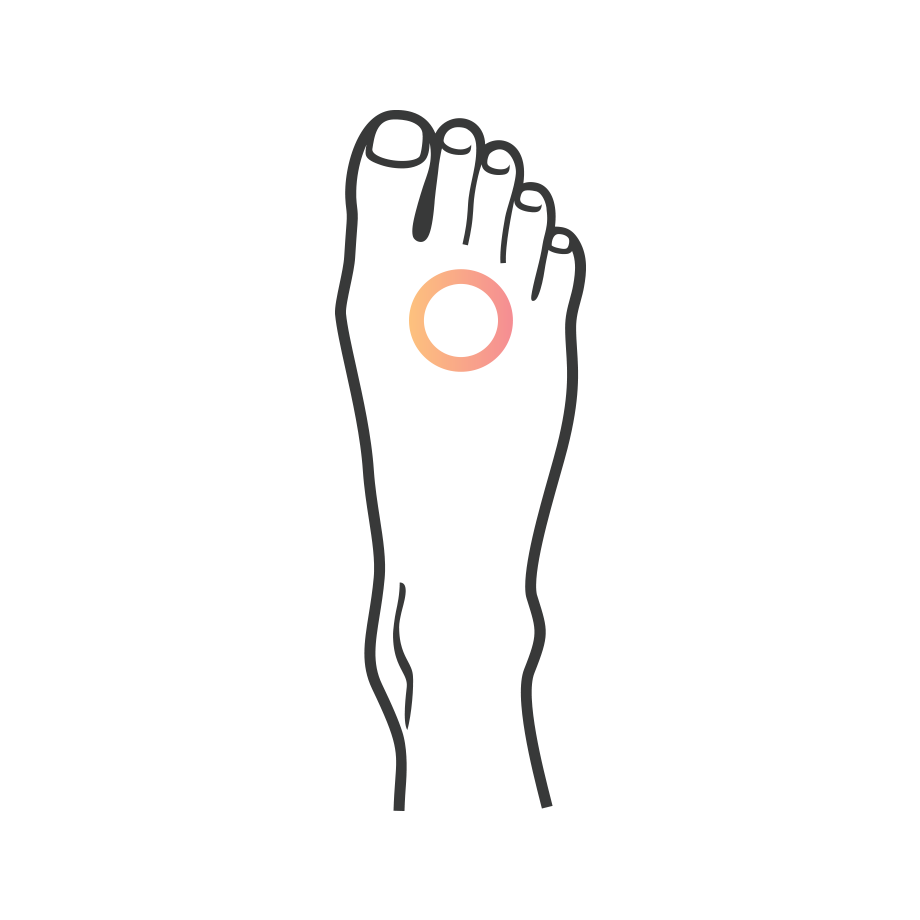
Plantar warts treatment

**

The procedure

Plantar warts are treated by applying a chemical product directly on the lesion after debridement or by using a needleless injector to inject a medication. Left untreated, warts can multiply, grow in size and become painful when walking.

We examine

Related conditions

Full List 5
  • Sprain and fracture
  • Plantar fasciitis
  • Psoriasis/eczema
  • Diabetic foot
  • Ingrown toenail
  • Neuroma

For a consultation

Book an appointment

Condition :

Sprain and fracture

Foot and ankle sprains can happen while practicing a sport, but also while walking on an uneven surface for example. A chronic ankle instability can lead to repeated injuries if left untreated. Your podiatrist will help you treat the problem to get back on your feet as soon as possible. Also, advice on proper footwear, strenghtening and proprioception exercises will be the key to a full recovery. Finally, if a fracture is suspected, your podiatrist will prescribe X-rays and analyse them.

Sprain and fracture

Condition :

Plantar fasciitis

The plantar fascia, a structure extending from the heel to the toes, acts as a support to the arch of the foot. It is extremely sollicitated during the walk, therefore often injured. Many factors can lead to a plantar fasciitis like inadequate footwear or a biomecanical malalignment of your feet. Your podiatrist can identify the cause and propose different treatments such as therapeutic bandages, ultrasound therapy, anti-inflammatory medication, a cortisone injection and foot orthotics.

•Pain in the heel area or in the arch ;
•Worst when getting up in the morning or after a long sitting time.

Plantar fasciitis

Condition :

Psoriasis/eczema

Skin problems such as eczema and psoriasis can also affect your feet. It can cause pain, itching, burning sensations and can also change the nail appearance. Your podiatrist can evaluate the problem and prescribe  the appropriate treatment for your condition.

Psoriasis/eczema

Condition :

Diabetic foot

Peripheric neuropathy, a loss of nerve sensitivity, is a possible result of diabetes and can be painful everyday. Your podiatrist can evaluate your foot sensitivity with a few neurological tests. This evaluation will help you treat related foot problems and prevent ulcers.

Diabetic foot

Condition :

Ingrown toenail

This frequently seen problem can be treated by cutting the portion of the nail that has penetrated the skin with a technique called slant back. It can also be permanently treated under local anesthesia with a minor surgery called partial matricectomy.

•Redness, swelling and pain at the periphery of the nail ;
•Possible discharge of pus.

Ingrown toenail

Condition :

Neuroma

When there is a compression of a nerve between two bones in the foot, a neuroma can occur. In reaction to this repeated friction when walking, the nerve gets thicker and sends pain signals. Wearing inadequate shoes can lead to this problem over time. Your podiatrist will give you advice on a proper footwear for your condition. There are also treatments to relieve pain such as a cortisone injection, ultrasound therapy and cushioned shoe pads. Custom foot orthotics are indicated when the nerve compression is caused by the malalignment of the feet. Severe cases can require surgery.

•Burning or electrical shock sensation in the toes;
•Feeling of having a fold in your sock or a bump inside your shoe.

Neuroma
Secret Link